
Application / Municipal & Utility Tunnels
Utility Tunnel & Municipal Confined Space Gas Monitoring
Utility tunnels, sewage pumping stations and cable trenches are confined spaces where oxygen deficiency, H₂S, methane and CO coexist — and retreat is hard once inside.
- 19.5–23.5% vol Acceptable oxygen band
- ≤ 10 ppm H₂S entry limit
- ≤ 35 ppm CO entry limit
- 10% LEL Combustible entry limit
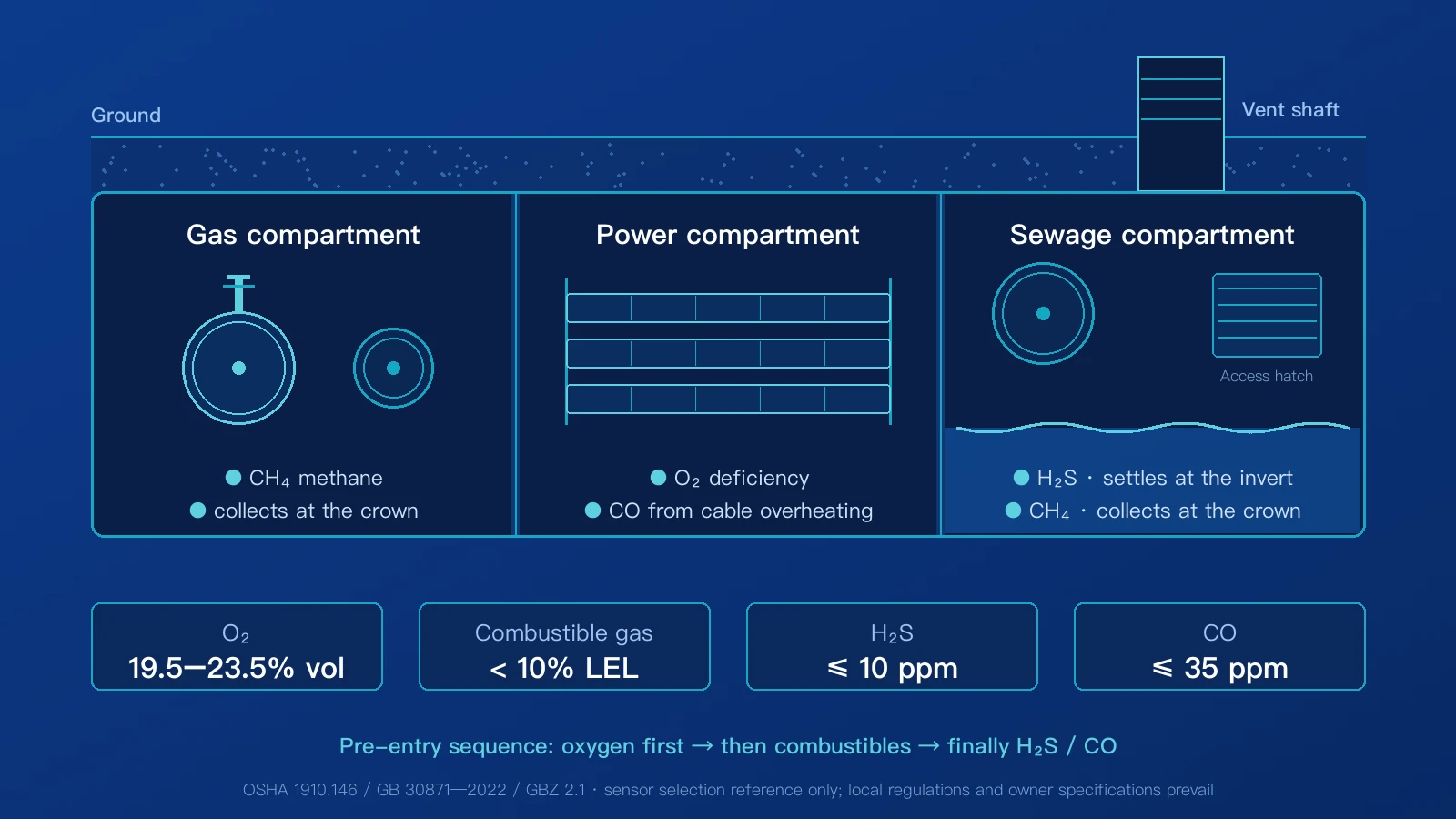
Four Things You Must Watch Simultaneously
Oxygen can drop through biological consumption or displacement by inert gas; combustibles may come from a gas main or from anaerobic biogas in the sewer; hydrogen sulphide is produced by anaerobic decomposition of sewage and sludge, is heavier than air and pools at the bottom; carbon monoxide comes from engine work and incomplete combustion. Different causes, different locations — one detection point cannot stand in for all four.
Fixed and Portable: Who Does What
Fixed online units stay in the tunnel or pump house for 24-hour trending and ventilation interlock, where serviceability and calibration interval matter most. Portables handle pre-entry testing and attendant monitoring during the job, where weight, battery life and alarm modalities — audible, visual and vibration together — are the priorities. Both can share one sensor model, which collapses spares and calibration into a single set.
Odour Monitoring at Wastewater and Waste Sites
Hydrogen sulphide and methyl mercaptan are the dominant odour factors, and boundary monitoring needs sub-ppm resolution to track what people actually smell. Watch saturation and recovery in H₂S electrochemical sensors after high exposure: a run at hundreds of ppm leaves the sensor reading high for a while, so allow a recovery period after emergency work before trusting the reading again.
Placement and Maintenance Constraints in Practice
Tunnels are cramped, poorly lit, permanently damp and sometimes flooded, so ingress protection and whether a probe can be checked and swapped by one person determine survival past three years more than any accuracy figure. Favour adequately rated enclosures, plug-in cells one technician can change alone, and models that self-diagnose.
Gases to Monitor in Tunnels and Confined Spaces
A 4-gas entry check covers O₂, combustibles, CO and H₂S; fixed online monitoring should add NH₃, SO₂ and odour factors to cover sewage and mixed industrial discharge.
| Gas | Typical Range | Recommended Principle | Duty Notes |
|---|---|---|---|
| Oxygen (O₂) | 0–25% vol | Electrochemical (galvanic) | Acceptable band 19.5–23.5% vol; oxygen deficiency is the leading risk in tunnel work and the precondition for trusting any other reading. |
| Hydrogen sulphide (H₂S) | 0–10 / 0–100 ppm | Electrochemical | Entry limit ≤10 ppm; heavier than air, so sense at the floor and inside manholes. |
| Methane (CH₄) | 0–100% LEL | NDIR infrared / catalytic | Gas-main leaks and sewage biogas, LEL 5.0% vol; prefer infrared in confined spaces to avoid oxygen-dependent error. |
| Carbon monoxide (CO) | 0–100 / 0–1000 ppm | Electrochemical | Entry limit ≤35 ppm; engine work, generators and incomplete combustion are the sources. |
| Ammonia (NH₃) | 0–100 ppm | Electrochemical | A companion gas in sewage, sludge and manure handling — corrosive as well as irritant. |
| Sulphur dioxide (SO₂) | 0–20 ppm | Electrochemical | An acid gas appearing when industrial or pickling effluent is discharged, flagging an upstream problem. |
| Odour complex (H₂S / methyl mercaptan) | 0–5 / 0–500 ppm | Electrochemical smart module | Pump-station and boundary odour assessment, needing sub-ppm resolution; allow recovery after high-level exposure. |
| VOC / TVOC | 0–10 ppm | Electrochemical equivalent | Organic solvents arriving with mixed industrial effluent — useful for spotting abnormal inflow. |
Entry criteria follow OSHA 1910.146 appendix D and common domestic confined-space practice, as a selection reference only; actual work must follow the local confined-space permit system.
Recommended Models for Tunnels
Fixed and portable units can share a sensor model, cutting spares and calibration costs. Odour and multi-gas modules are included so a pump station can be equipped in one pass.
9 gas categories covered
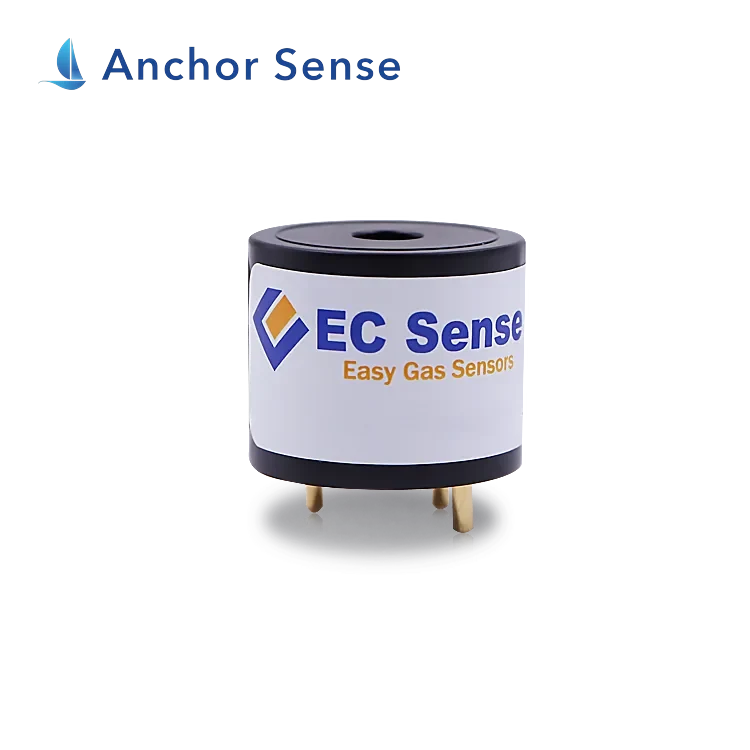
ES4-O2-25% Oxygen Gas Sensor
Amperometric, 3-electrode
ES4 package, 0 – 25% vol. range, Oxygen detection
View Details →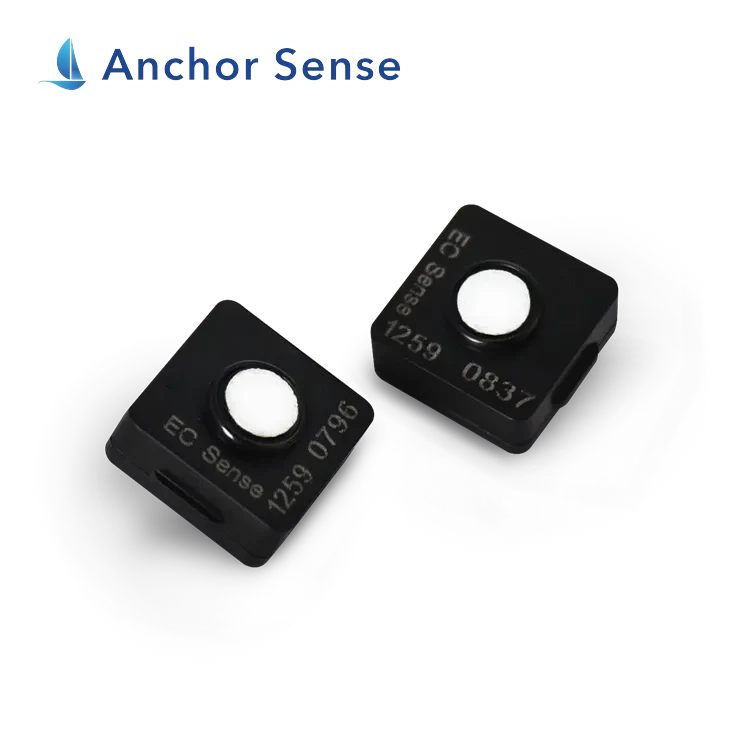
ES1-H2S-100 Hydrogen Sulfide Gas Sensor
Amperometric, 3-electrode
ES1 package, 0 – 100 ppm range, Hydrogen Sulfide detection
View Details →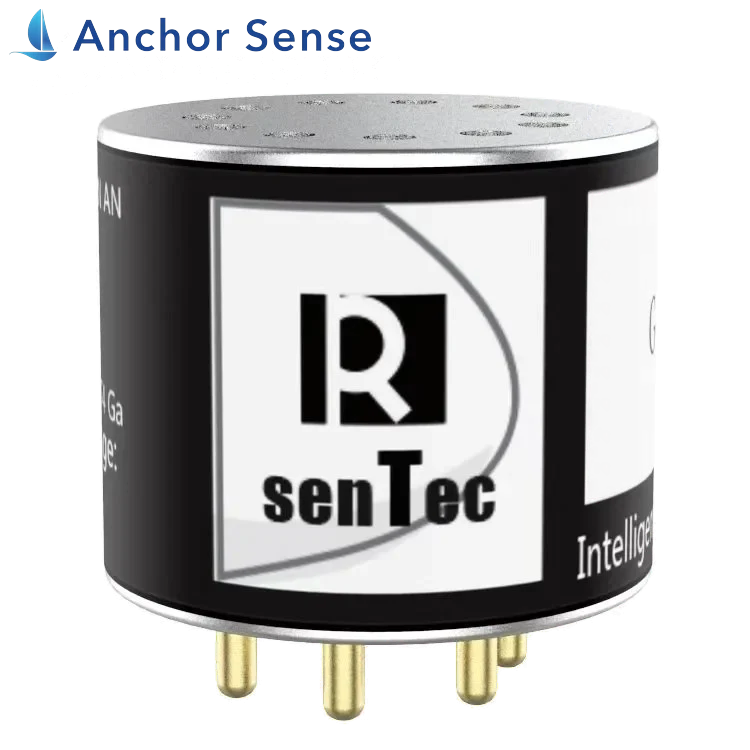
G4112 Methane NDIR Infrared Gas Sensor
Non-Dispersive Infrared (NDIR, dual-wavelength optical path)
Shanghai Yixin G4112, 0 – 5% VOL range, dual-wavelength NDIR detection
View Details →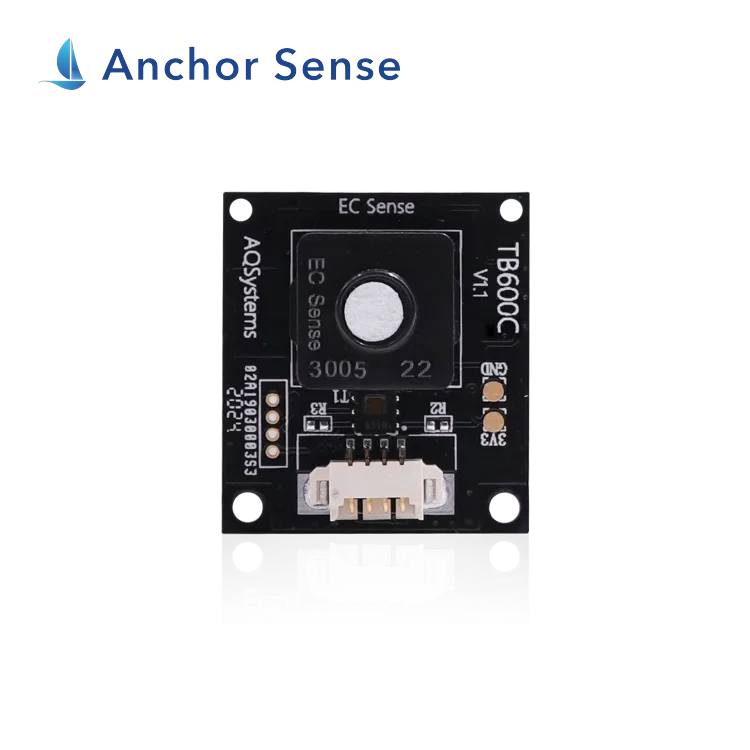
TB600C-SMELL-500 Odor Gas Detection Module
Solid-Polymer Electrochemical (smart digital module)
0 – 500 ppm Odor Gas smart digital detection module with UART / I²C output, built-in temp/RH sensing and factory calibration
View Details →Related Series
Frequently Asked Questions
Why test oxygen first in a utility tunnel?
Oxygen is an entry criterion in its own right (19.5–23.5% vol), and it is also the precondition for trusting the combustible reading, since a catalytic sensor under-reads in a depleted atmosphere. Either reason alone makes it the one test you cannot skip.
Is it true that low H₂S is smellable but high H₂S is not?
Yes. At high concentrations hydrogen sulphide quickly paralyses the olfactory nerve, and the smell disappears within minutes — which is precisely what makes it so dangerous. Never judge by nose; always use an instrument.
Can fixed and portable units use the same sensor?
Yes, and we recommend it. One model means one set of spares, one calibration gas and one cycle to remember, so field staff are not juggling two regimes and long-term cost drops noticeably.
What should happen automatically when an alarm trips?
The common sequence is to start mechanical extraction, lock the entry and cut power to the work area, then follow the emergency plan for evacuation or rescue. The exact interlock logic must be settled together with the project's fire design — it is not a supplier's call.
Tell Us the Tunnel Build and the Permit Regime
Tunnel or pump-station type and dimensions, compartment split (gas, power, sewage), gases to monitor, fixed versus portable counts, and power and communications.
Contact us